How the 4-2-3-1 lines up
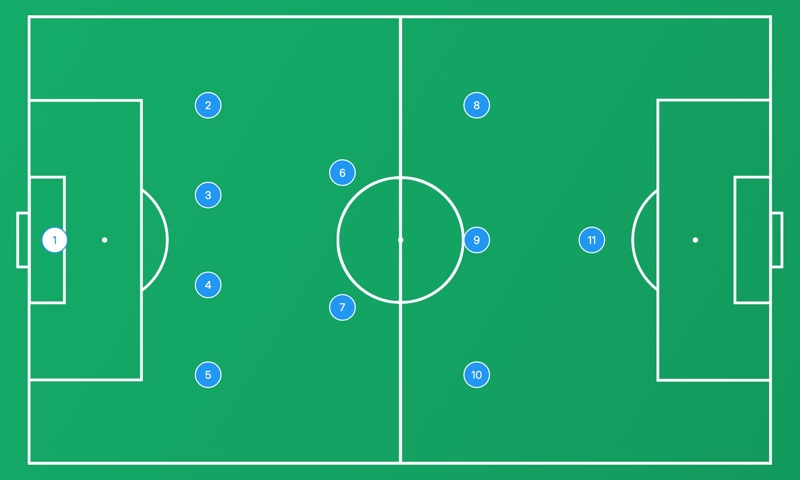
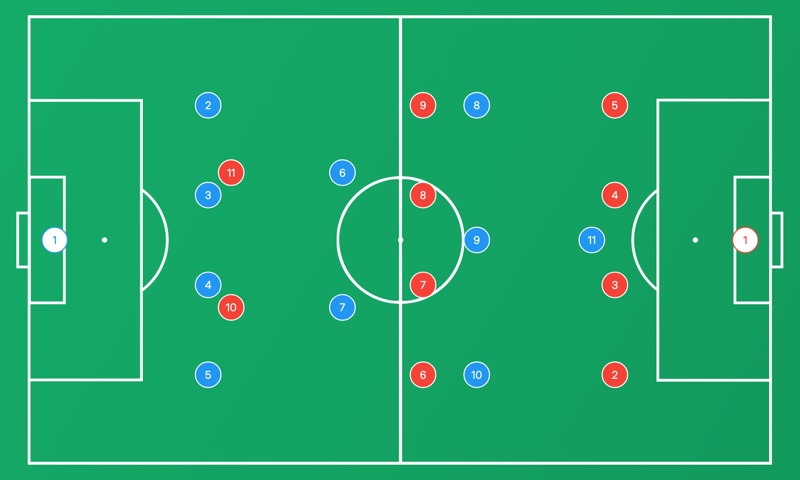
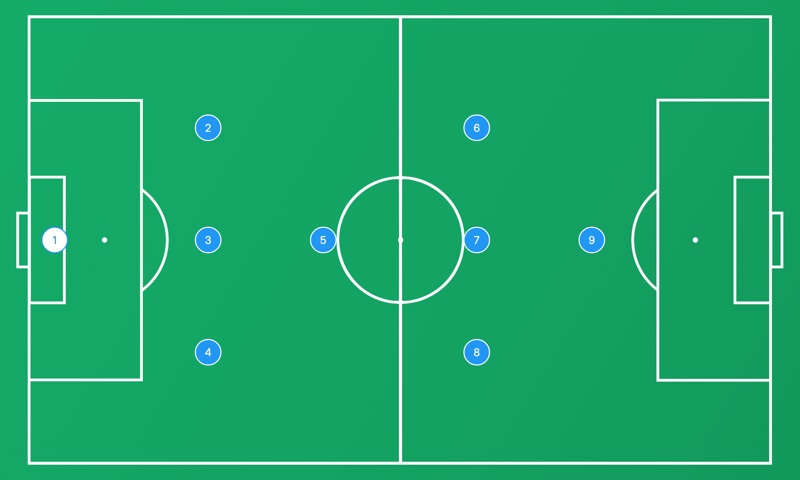
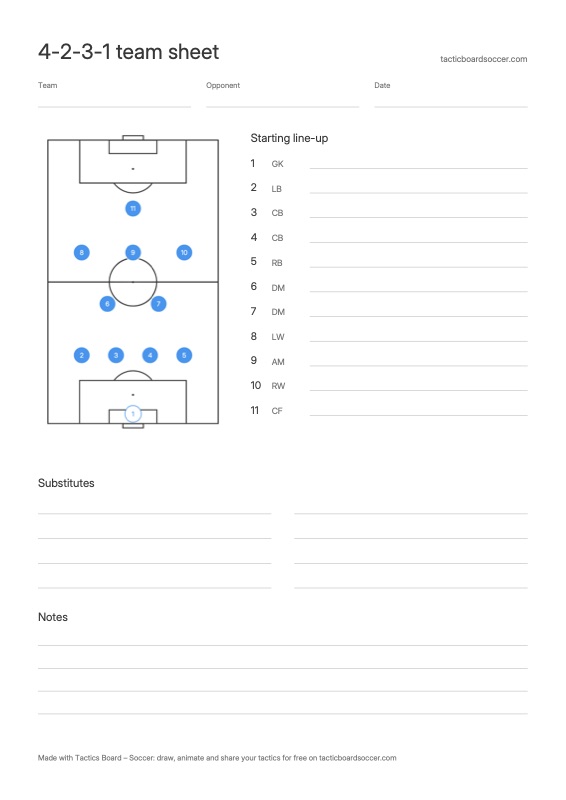
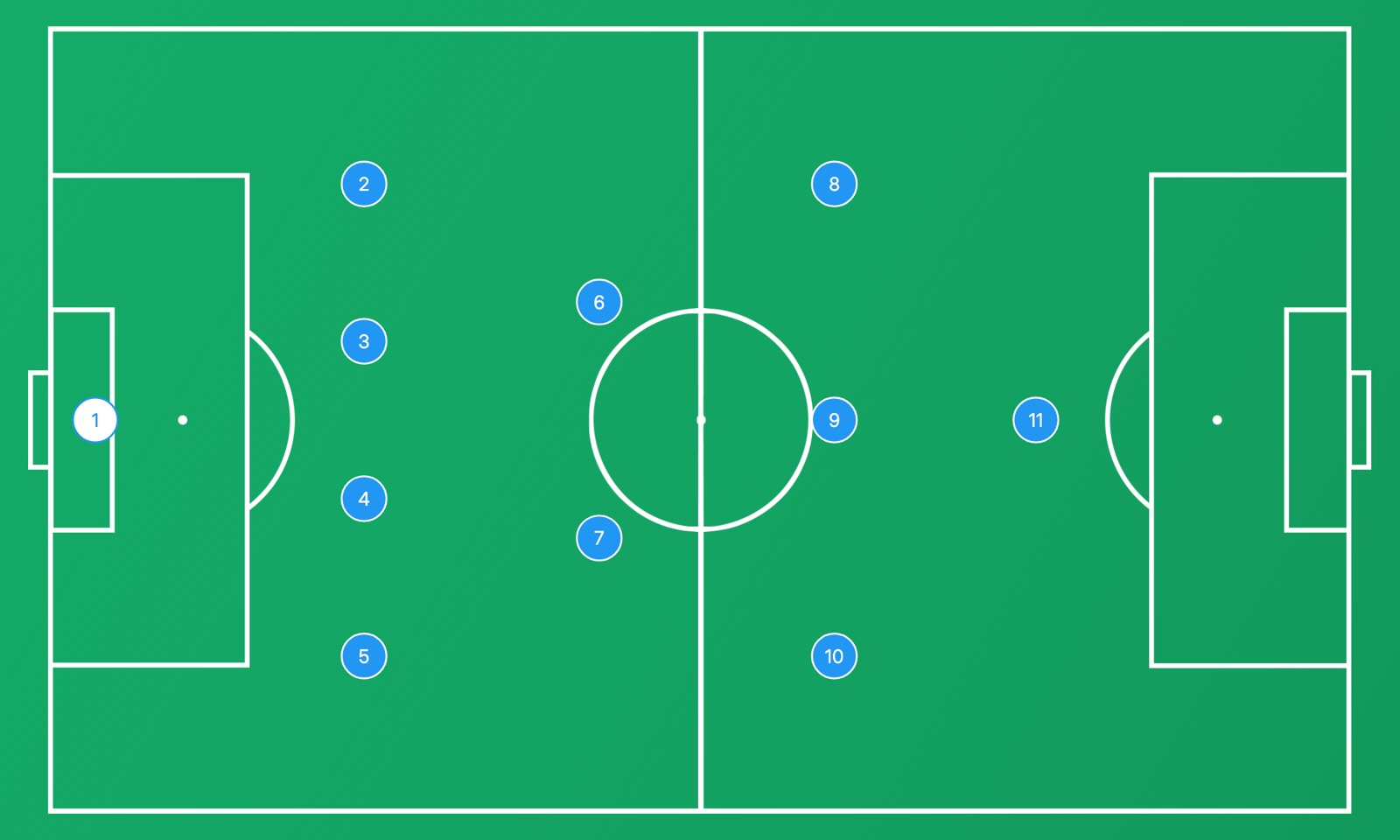
The back four is the usual one: two centre-backs and two full-backs. In front of them stand two holding midfielders side by side, the double pivot. Higher up there is a line of three, with a winger on each flank and an attacking midfielder in the middle, the classic number 10. A single striker plays in front of them.
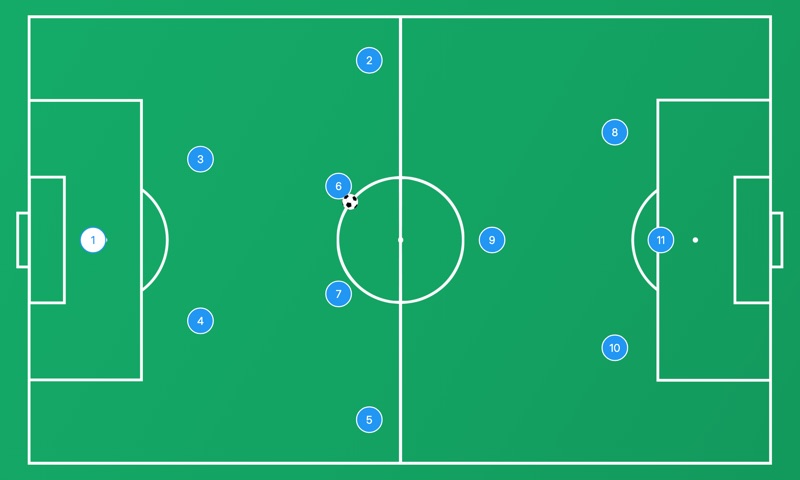
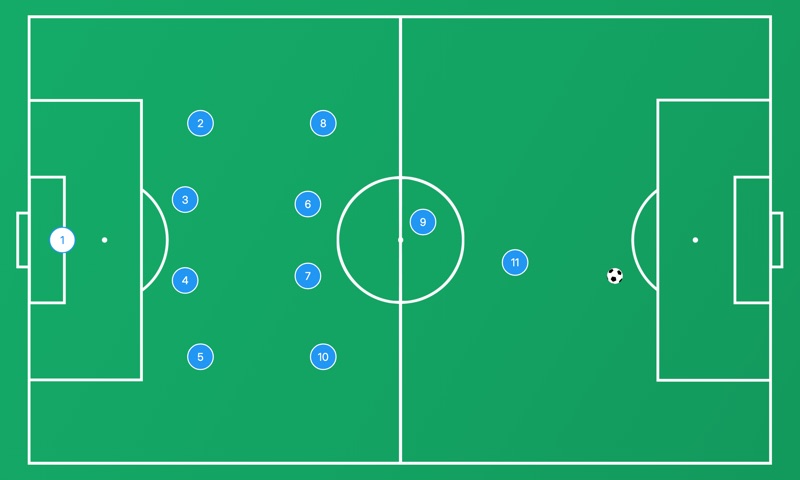
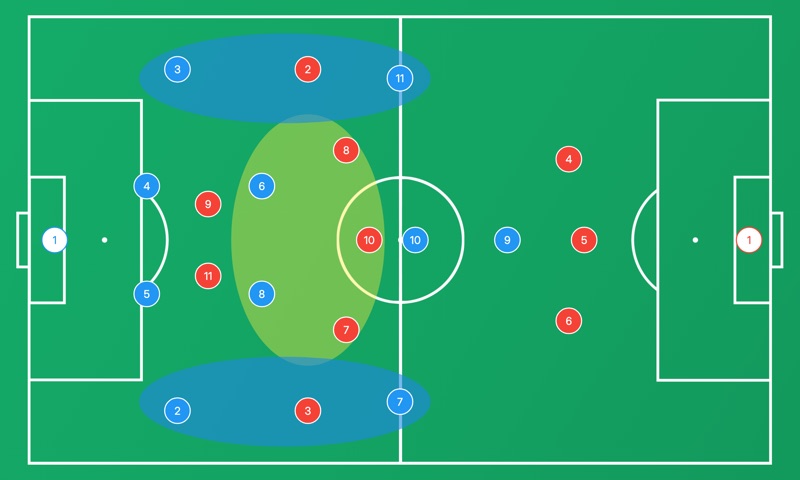
The team is really split in two groups that have to stay connected: six players, the defenders and the pivot, who build the play and protect the goal, and four players who attack. Most of what goes right or wrong in a 4-2-3-1 happens in the space between those two groups.
Strengths of the 4-2-3-1
- The double pivot protects the defence. With two players in front of the centre-backs, one can go forward while the other stays, and the team is rarely caught open in the middle.
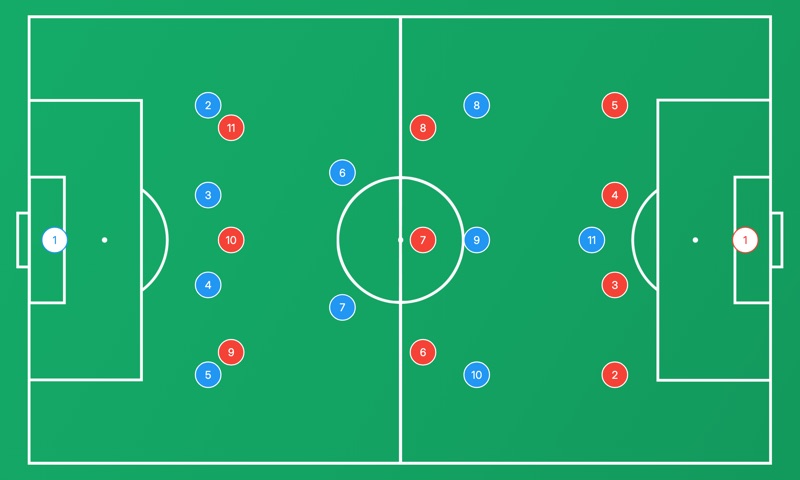
- A player between the lines. The attacking midfielder receives behind the opposing midfield, where a flat 4-4-2 finds it hard to mark anyone.
- The extra player in the centre. The two holding midfielders and the attacking midfielder make three against the two central midfielders of a 4-4-2.
- Width without losing balance. The wingers stay wide and the full-backs can choose when to join them, with the pivot covering behind.
- Easy to defend with. When the wingers drop next to the pivot, the team is already a compact 4-4-1-1, without big movements to learn.
Weaknesses of the 4-2-3-1
- The lone striker can be left isolated. If the three behind arrive late, a single forward has to fight two centre-backs alone and the team cannot keep the ball up the pitch.
- The gap between the pivot and the front four. When the attackers do not drop and the pivot does not step up, the team is cut in two and the opponent plays through the middle.
- Wingers who have to run both ways. If they do not track back, the full-back is left one against two on the flank.
- Space behind the full-backs. When both go forward, a quick counter-attack finds only the two centre-backs and the pivot to stop it.
- Dependence on the number 10. A holding midfielder who marks the attacking midfielder tightly can switch off much of the team's creativity.
Variants of the 4-2-3-1
- Pivot with different roles: one holding midfielder stays in front of the defence, the other goes forward, and the shape comes close to a 4-3-3.
- 4-4-1-1: the wingers drop into midfield and the attacking midfielder plays as a second striker. It is the usual shape without the ball.
- 4-2-1-3: the wingers stay high next to the striker and the team attacks with three on the last line.
- 4-2-2-2: the wingers come inside to play as two attacking midfielders, and the full-backs have to give all the width.
How to beat a 4-2-3-1
The best formation against a 4-2-3-1 depends on your players, but the ways to beat it are always much the same:
- put a holding midfielder on the attacking midfielder, so the ball between the lines does not arrive;
- press the double pivot with a striker and an attacking midfielder, and the team has to go long to a lone striker;
- play with three centre-backs, so there is always a spare player against the striker;
- attack the space behind the full-backs as soon as they push up, and force the wingers to run back the whole flank.
How to coach the 4-2-3-1
Start from the double pivot, with one simple rule: when one goes, the other stays. Then work on the connection, with the attacking midfielder and the striker moving so that one comes short and the other attacks the space left behind. Finally train the transition: when the ball is lost, the wingers drop next to the pivot and the team is back in two lines of four.
Draw each exercise on the board, animate the movements frame by frame and send it to your players as a video before training.
Positions in the 4-2-3-1
| Position | Job in the 4-2-3-1 |
|---|---|
| GK · Goalkeeper | Starts the play short to the centre-backs and the pivot, and covers the space behind the defence when the full-backs go forward. |
| CB · Centre-backs | Split to build from the back, mark the opposing strikers and stay in the cover when the team attacks. |
| LB, RB · Full-backs | Give width when the winger comes inside and defend one against one on the flank; they go forward one at a time if the opponent counters quickly. |
| DM · Holding midfielders | The double pivot: they receive from the defence, change the side of play and take turns, one going forward while the other protects the centre-backs. |
| LW, RW · Wingers | Beat their man on the flank or come inside to shoot, and drop next to the pivot as soon as the ball is lost. |
| AM · Attacking midfielder | The number 10: receives between the lines, plays the last pass, attacks the box behind the striker and presses the opposing holding midfielder. |
| CF · Striker | Alone up front: pins the centre-backs, holds the ball up for those arriving from behind and starts the press. |