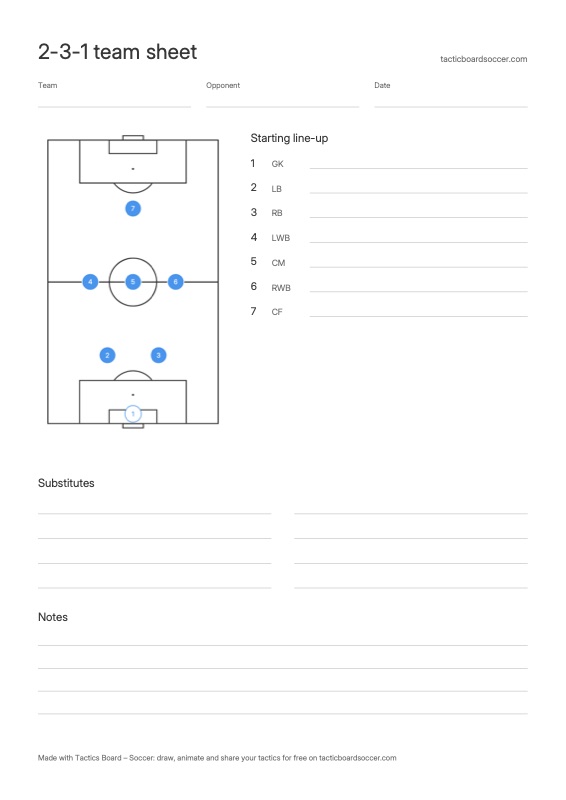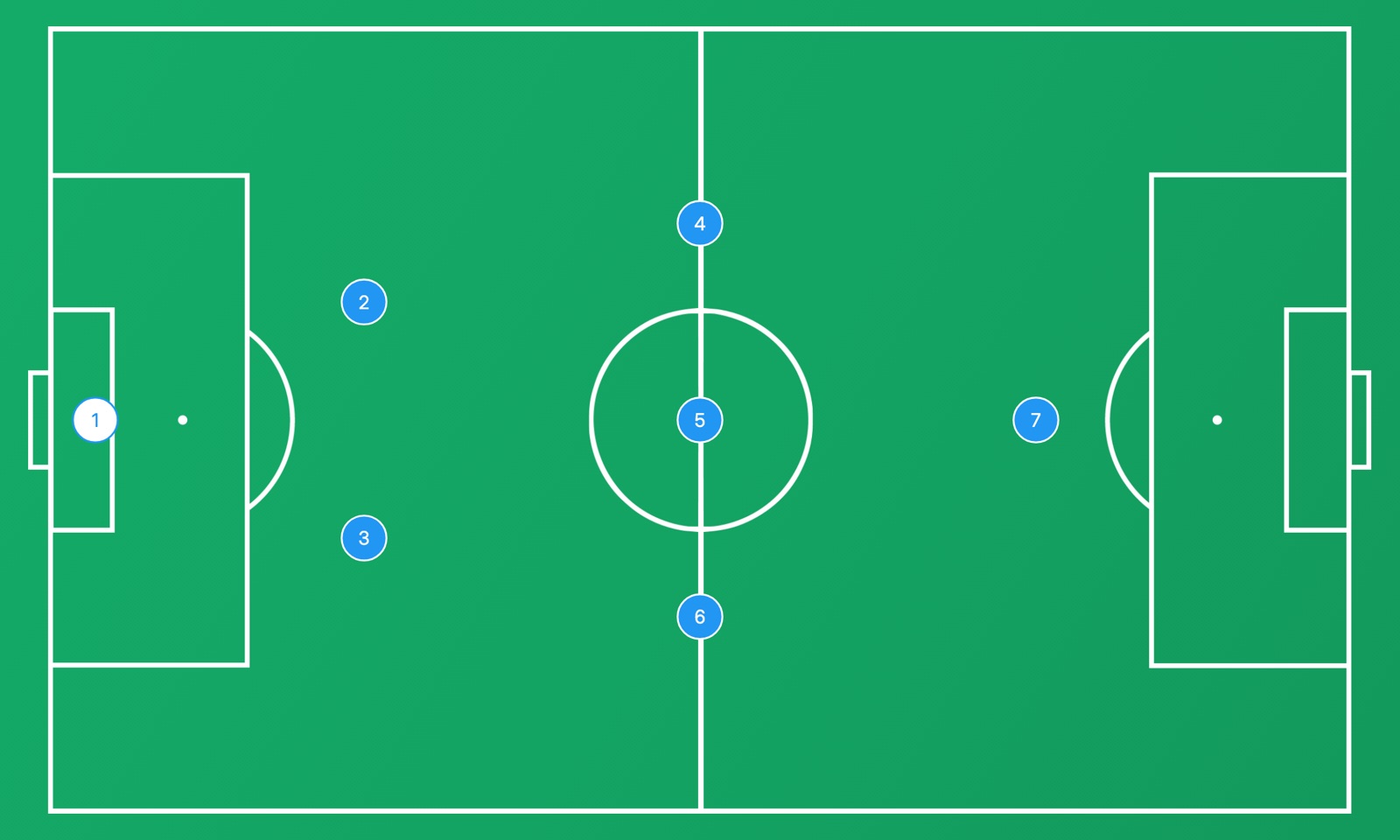
How the 2-3-1 lines up
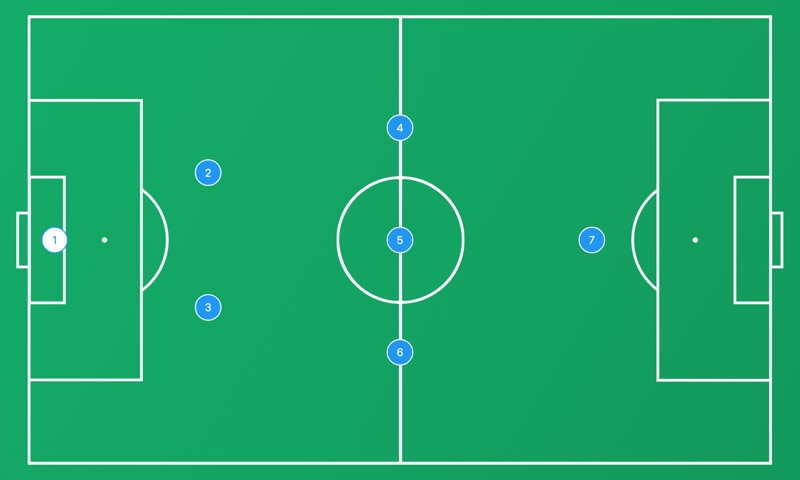
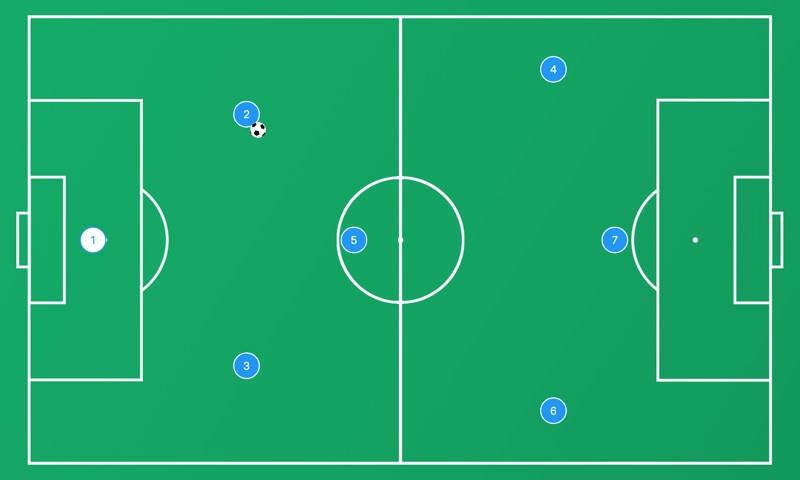
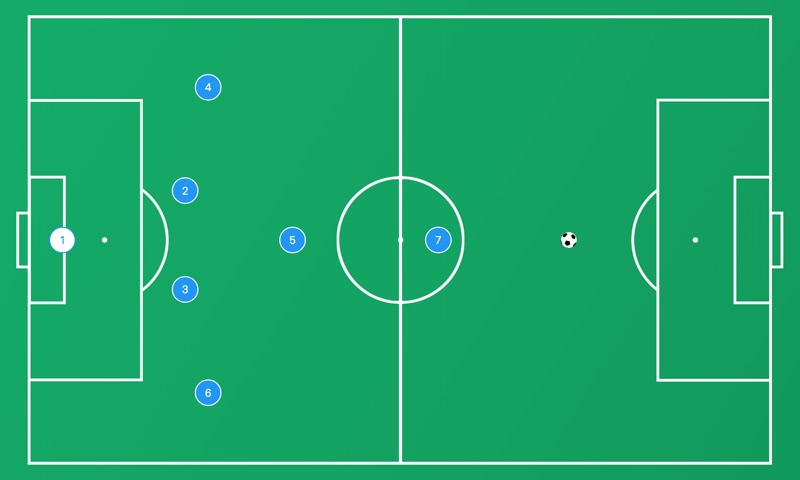
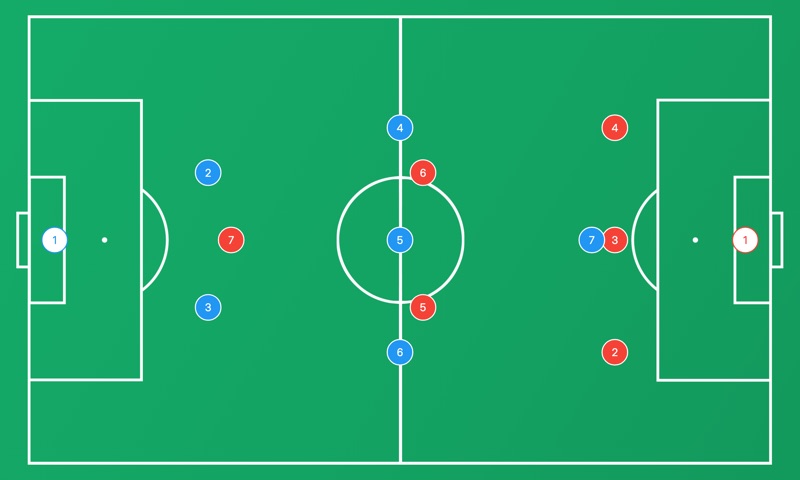
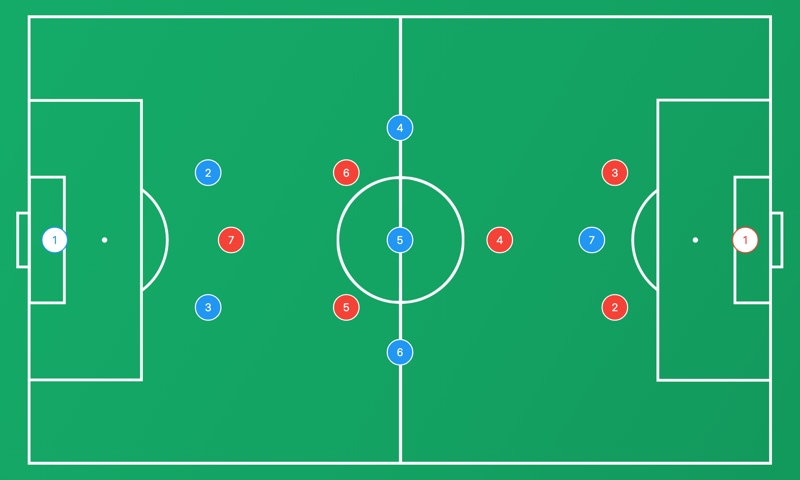
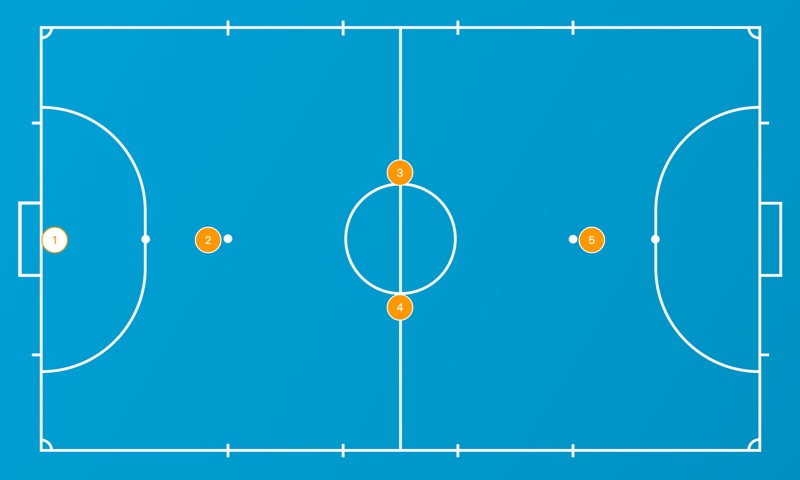
In front of the goalkeeper two defenders split the width of the pitch between them. In midfield a central player sits between two wide midfielders, and up front a single striker leads the line. Three clear lines, one behind the other: every player knows who is in front, who is behind and who is next to them.
The three midfielders are the heart of the system. The central one connects the defenders to the striker, while the two wide players do the job of both full-back and winger: they defend their flank and attack it. Together with the defenders they form a diamond through the middle, the shape that gives the 2-3-1 its passing lanes.
Strengths of the 2-3-1
- Easy to understand. Three lines and a role for everyone: young players learn quickly where to stand.
- Balanced. Two players always stay behind the ball, three support both phases and one stays high, so the team is never all in attack or all in defence.
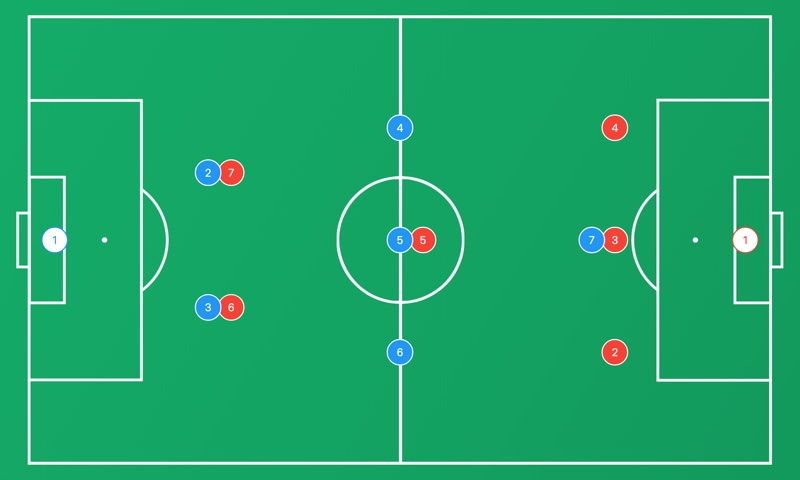
- Control of the middle. Against a 3-2-1 the three midfielders have a spare player, and the diamond through the centre always offers two passing options.
- Width. The wide midfielders can stretch the opponents and attack one against one.
- It grows with the players. Add a defender and a forward and it becomes the 3-2-3 of 9v9; add more and it is the 4-3-3 of 11v11.
Weaknesses of the 2-3-1
- The wide midfielders run a lot. If they do not track back, a defender is left alone against the winger and the striker.
- Only two at the back. Against two strikers, or a 3-1-2, every mistake turns into a one against one with the goalkeeper.
- A lonely striker. The number 9 often receives with their back to goal against two defenders and has to hold the ball until the midfielders arrive.
- Gaps in the channels. When a defender slides out to the ball, the space behind them opens if the other defender and the central midfielder do not cover.
Variants of the 2-3-1
- 2-1-2-1: the central midfielder sits deeper and the two wide players play higher, closer to the striker. More attacking, the same number of defenders.
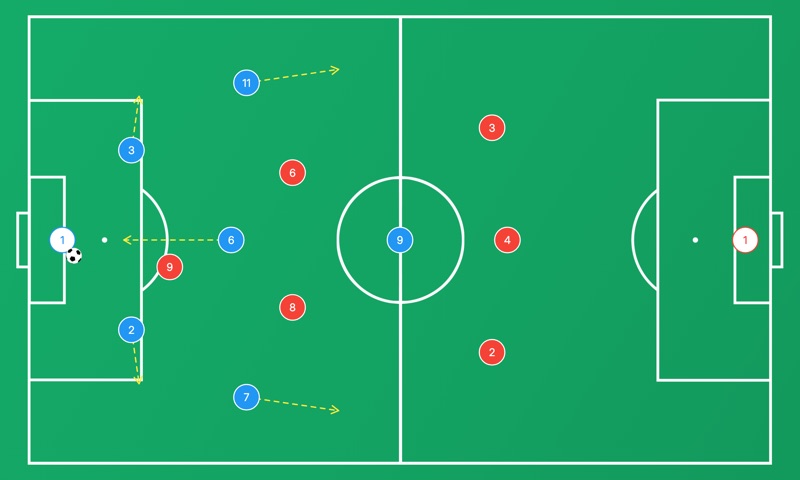
- 3-2-1 out of possession: one wide midfielder drops next to the defenders, the other tucks in. A good answer against teams with two strikers.
- Rotating wide players: in youth soccer many coaches swap the wide midfielders and the defenders at half-time, so every player learns to defend and to attack.
How to beat a 2-3-1
The 2-3-1 suffers when its wide midfielders are pinned back and its two defenders have to cover too much space. The most common answers are:
- play with two strikers (3-1-2 or 2-1-2-1 with a high pair) to go two against two with the defenders;
- switch play quickly from one flank to the other, so the wide midfielder on the far side has to run back across the whole pitch;
- press the central midfielder: without them the defenders have to play long;
- keep three players at the back (3-2-1) so the lone striker never has a one against one.
How to coach the 2-3-1
Start from the triangles: defender, wide midfielder and central midfielder on each side. A rondo with four players around and one or two in the middle teaches the central midfielder to show for the ball and the wide player to open up. Then teach the defenders to slide: the one on the ball side steps out, the other covers the middle and the central midfielder drops into the gap.
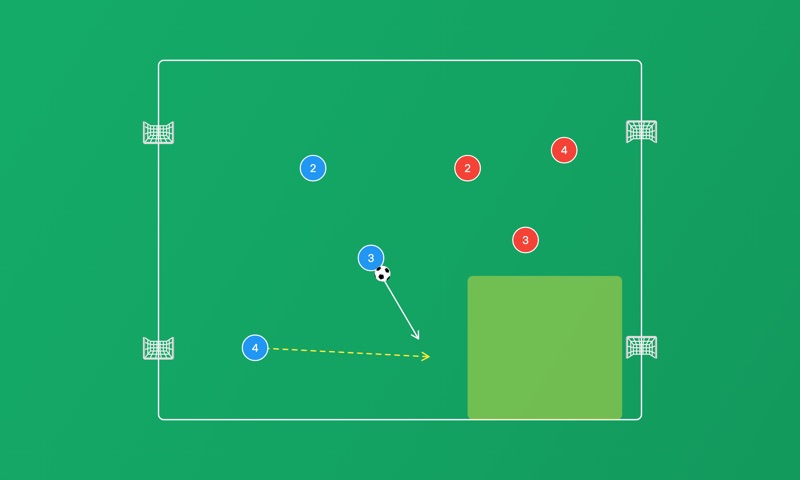
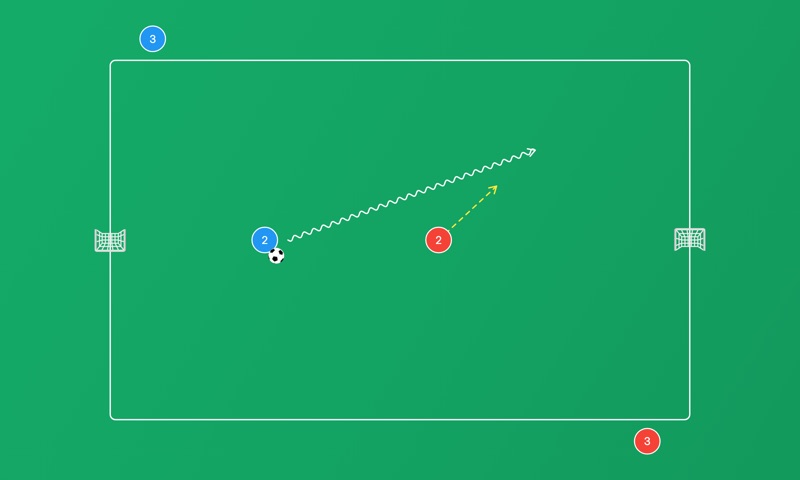
Finish with small-sided games: 3v3 with four mini goals for width and switching play, 1v1 for the wide midfielders. Draw every exercise on the board, animate it and send it to the parents' chat or print it for the other coaches.
Positions in the 2-3-1
| Position | Job in the 2-3-1 |
|---|---|
| GK · Goalkeeper | Plays with their feet as the first passer and stays ready to come out behind the two defenders, who often defend a lot of space. |
| LB, RB · Defenders | Split wide to build from the back and defend one side each: the ball-side defender steps out, the other covers the middle. |
| LWB, RWB · Wide midfielders | Defend and attack the whole flank: give width, beat their man one against one and track back to help the defender. |
| CM · Central midfielder | Links defence and attack, shows for the ball between the lines and drops between the defenders when the team builds out. |
| CF · Striker | Holds the ball up with their back to goal, lays it off to the midfielders and is the first to press the defenders. |